Corals, shells and starfish
Taking corals, shells, starfish, sea urchins or other marine life from the Red Sea and its beaches is forbidden in Egypt, even if you found them dead on the beach. Luggage is checked at Hurghada airport; the items are confiscated and fines are possible.
Antiques and ancient finds
Real antiquities may not leave Egypt, and trading them is a serious crime. Statues, coins or papyrus sold as genuinely ancient are either fakes or a legal risk. Buy honest replicas and keep the receipt.
Typical souvenirs you can take →
Protected animals
Ivory, turtle shell, crocodile or snake leather, stuffed animals and coral jewellery fall under the Washington Convention (CITES). Customs seizes them on arrival and fines can be high.
Fake designer brands
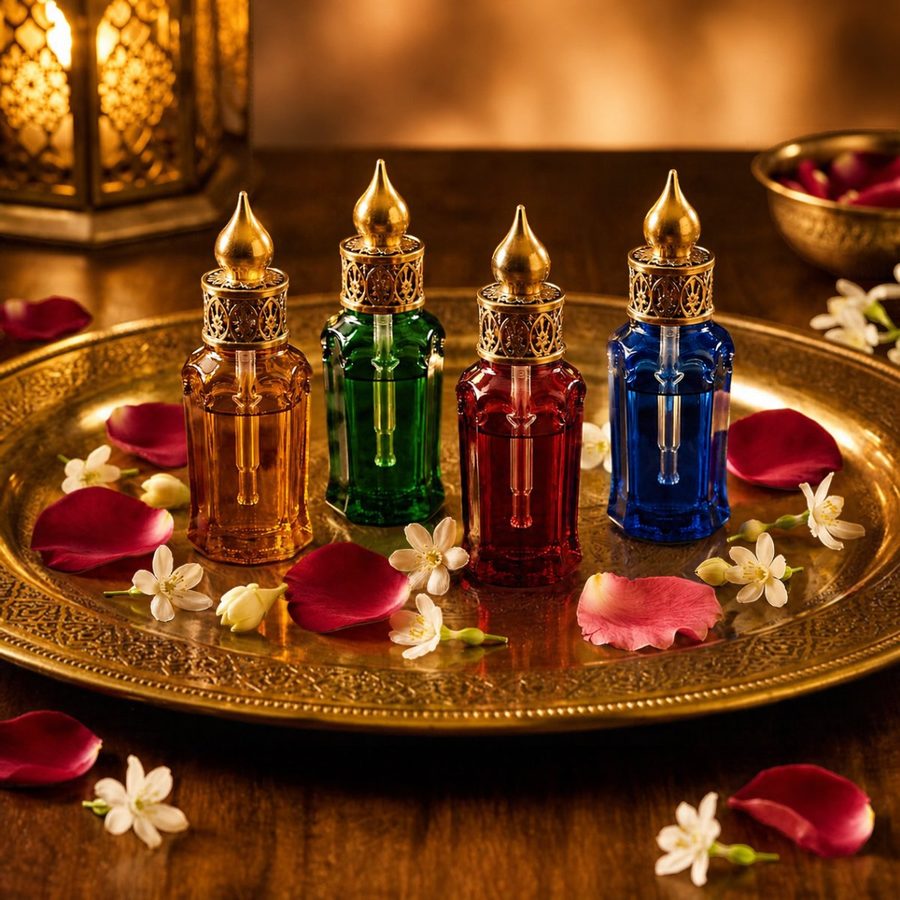
Copied bags, watches and perfumes are common in the bazaars. In some countries, such as France and Italy, even private buyers can be fined, and customs may seize the goods. We do not sell fakes; our fragrance oils are sold under their own names.
Food, plants and tobacco
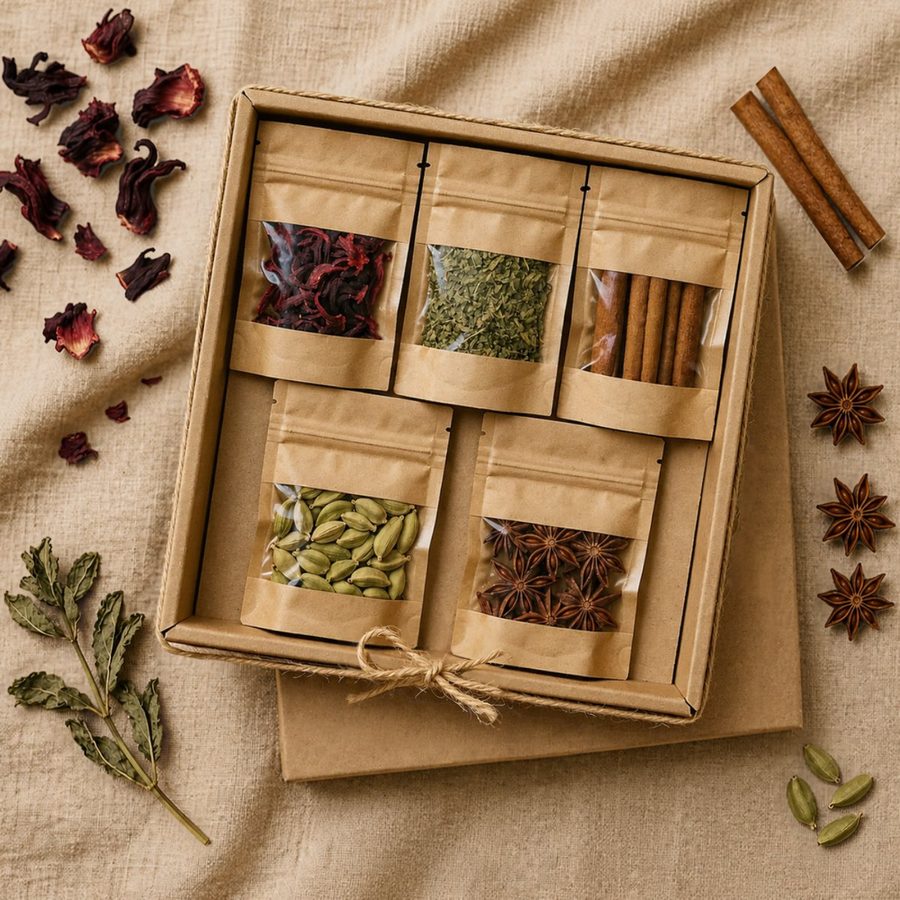
Dried tea, herbs and spices in sealed packs are fine for personal use. Fresh fruit, plants and seeds need a plant health certificate for the EU and the UK (dates are an exception), and meat or dairy products may not be brought in. For tobacco the normal allowance applies, for example 200 cigarettes or 250 g of shisha tobacco.
Duty-free allowance
Arriving in the EU by air, adults may bring goods worth up to 430 euros without paying duty; in the UK the limit is 390 pounds. Keep receipts for jewellery, gold and larger purchases.
Safe souvenirs instead
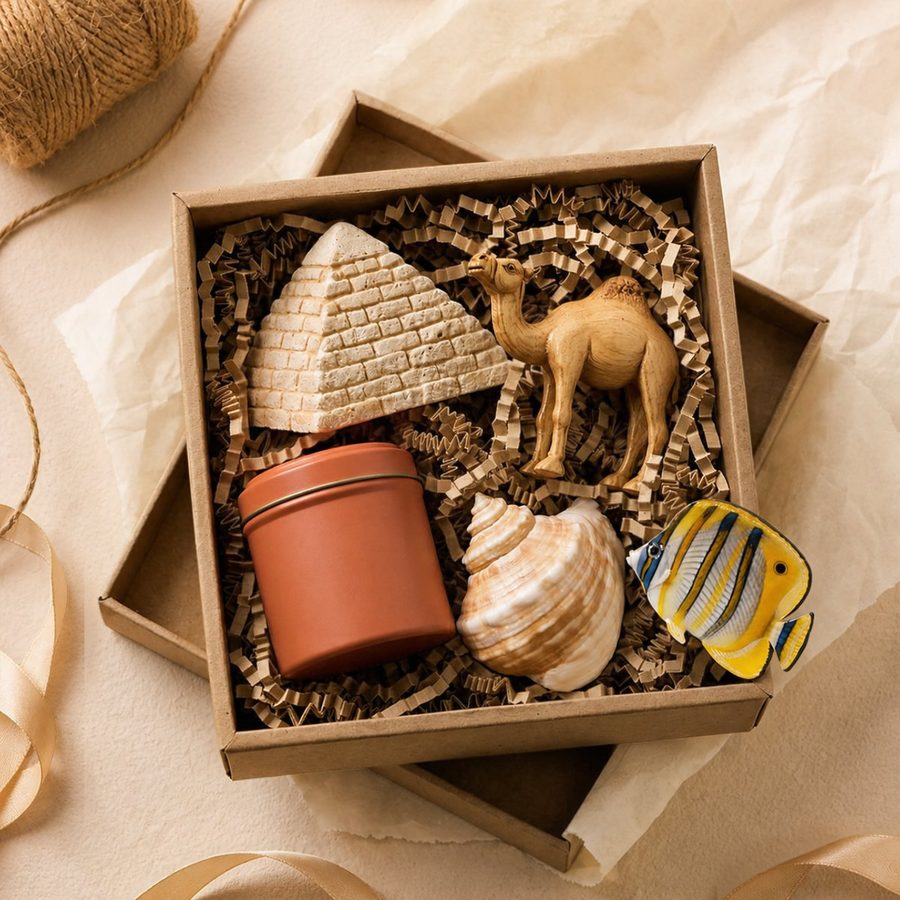
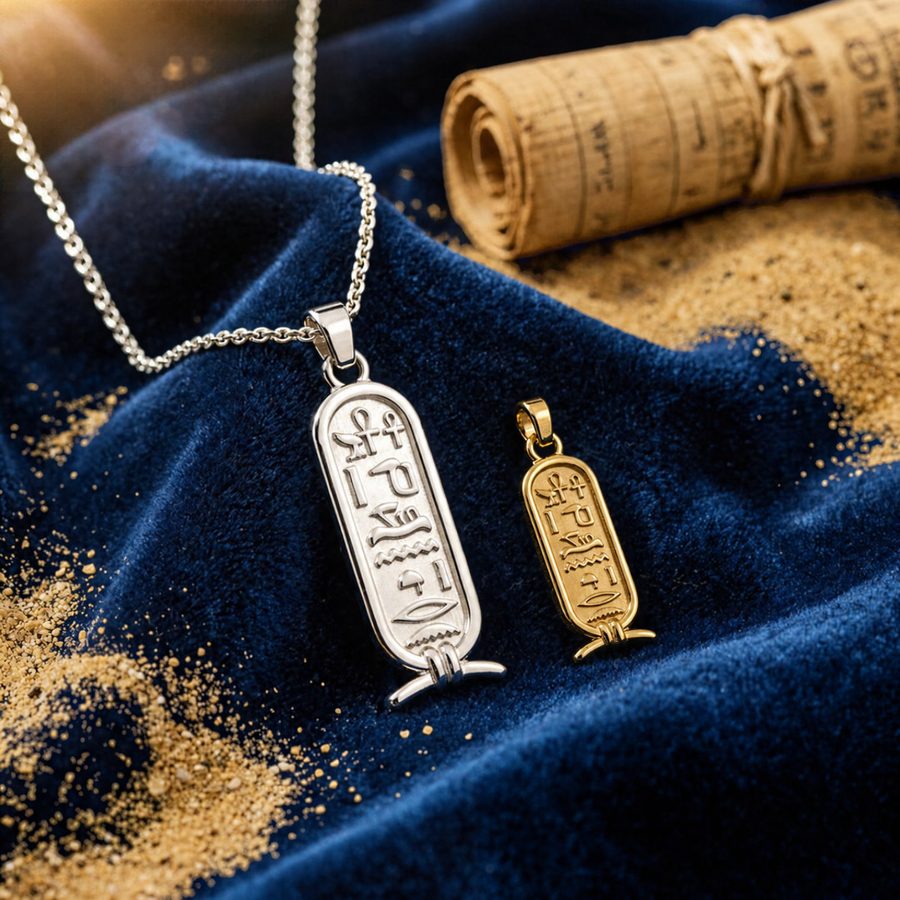
Sealed Egyptian tea and spices, fragrance oils, Egyptian cotton, papyrus, a cartouche pendant with your name or a wrapped souvenir box are all good choices.
Order a wrapped souvenir box →